AI Translation in Conferences: Creating Truly Borderless Global Events
Learn how artificial intelligence translation technology is breaking down language barriers in conferences, enabling real-time multilingual communication, cultural exchange, and global collaboration at unprecedented scales.
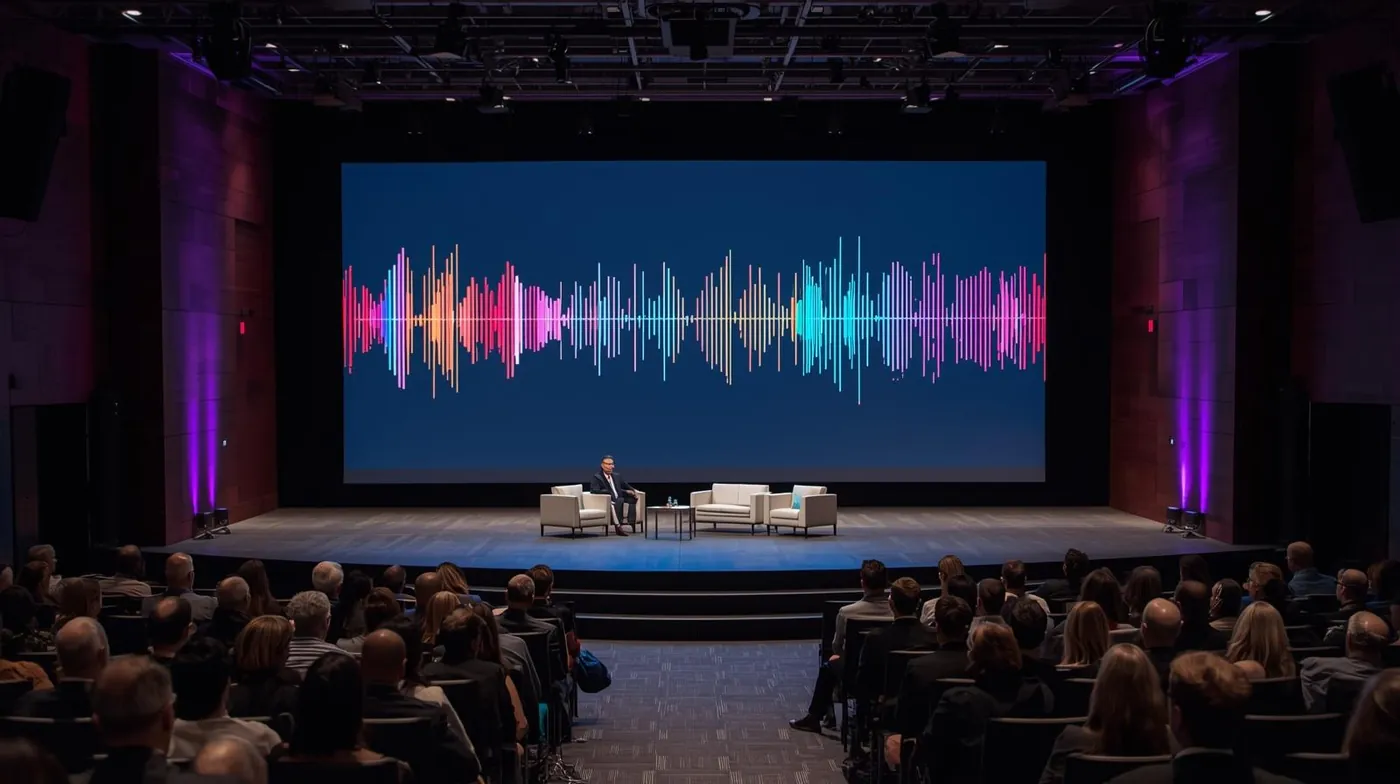
In an increasingly interconnected world, conferences serve as crucial platforms for knowledge exchange, business development, and international collaboration. However, language barriers have traditionally limited the scope and impact of these events. Artificial intelligence-powered translation technology is fundamentally transforming conferences by enabling seamless real-time communication across dozens of languages, creating truly global experiences where geographic and linguistic boundaries disappear.
The Evolution of Conference Translation
Traditional conference translation relied on human interpreters working in soundproof booths, translating speakers' words simultaneously into one or two languages. While effective, this approach is expensive, limited in scale, and requires extensive logistical coordination. AI translation represents a paradigm shift, offering instant translation across unlimited language pairs with consistent quality and dramatically reduced costs.
How AI Translation Works in Conference Settings
Modern AI translation systems combine multiple advanced technologies. Speech recognition converts spoken words to text, neural machine translation processes the text into target languages, and text-to-speech synthesis delivers natural-sounding audio output. This entire pipeline operates in near real-time, with typical delays of just 2-3 seconds between original speech and translated audio delivery.
The latest neural machine translation models are trained on billions of multilingual text samples, enabling them to understand context, idiomatic expressions, and domain-specific terminology with unprecedented accuracy. These systems continuously learn and improve, adapting to conference-specific vocabulary and speaker patterns throughout events.
Transformative Benefits for Global Conferences
1. Unlimited Language Support
AI translation systems can simultaneously support 50, 100, or even more language pairs without additional infrastructure costs. Attendees simply select their preferred language through a mobile app or web interface, receiving real-time translations through headphones or personal devices. This scalability makes truly global conferences practical and affordable.
2. Democratized Access to International Events
By eliminating language barriers, AI translation opens conferences to attendees from every corner of the globe. Professionals from non-English-speaking countries can fully participate in international events, contributing diverse perspectives and expanding the global knowledge base. This inclusivity drives innovation and cross-cultural understanding.
3. Cost Efficiency at Scale
Traditional simultaneous interpretation for a multi-day conference in just five languages can cost tens of thousands of dollars when accounting for interpreter fees, booth rentals, and technical equipment. AI translation provides superior language coverage at a fraction of the cost, making high-quality translation accessible even for smaller organizations and events.
4. Consistent Quality Throughout Events
Human interpreters, despite their expertise, can experience fatigue, miss nuances during rapid speech, or struggle with heavy accents. AI translation maintains consistent quality across all sessions, from opening keynotes through late-evening networking events. The technology never tires, ensuring attendees receive the same high-quality translation experience throughout multi-day conferences.
5. Multilingual Content Archive
AI translation automatically generates written transcripts in all supported languages, creating a permanent multilingual record of conference content. These archives become invaluable resources for attendees reviewing material, absent colleagues catching up on sessions, and organizations maximizing the long-term value of their conference investments.
Advanced Applications and Use Cases
Live Presentations and Keynote Addresses
Speakers present in their native language while attendees receive real-time translations. This approach allows presenters to communicate with natural fluency and emotional authenticity while ensuring every attendee fully understands the content. Visual displays can show translated subtitles in multiple languages simultaneously.
Interactive Panel Discussions
Multilingual panels become truly dynamic when each panelist can speak their native language while understanding others in real-time. AI translation enables natural conversation flow across language barriers, facilitating the rich, spontaneous exchanges that make panel discussions valuable.
Networking and Business Meetings
AI translation apps on smartphones enable one-on-one and small group conversations between attendees who don't share a common language. These tools facilitate meaningful connections that would be impossible in traditional conference settings, expanding networking opportunities and business development potential.
Exhibition Halls and Demo Sessions
Exhibitors can effectively communicate with international visitors using AI translation kiosks or handheld devices. Product demonstrations, technical explanations, and sales conversations happen seamlessly across language barriers, maximizing the ROI of exhibition participation for both exhibitors and attendees.
Virtual and Hybrid Conference Experiences
Remote attendees joining from different countries receive the same high-quality translation as in-person participants. AI translation integrates seamlessly with video conferencing platforms, providing live captions, audio translations, and multilingual chat functionality that creates equitable experiences for global virtual audiences.
Implementation Strategies for Success
Choose the Right AI Translation Platform
Evaluate platforms based on language coverage, translation accuracy, latency, integration capabilities, and scalability. Leading solutions offer industry-specific models trained on relevant terminology, ensuring higher accuracy for technical, medical, legal, or business conferences.
Prepare Custom Terminology Databases
Upload conference-specific terms, acronyms, speaker names, and organization names to your AI translation system before the event. Custom terminology databases significantly improve translation accuracy for specialized content and reduce confusing mistranslations of proper nouns or technical jargon.
Test System Performance in Advance
Conduct thorough testing with actual speakers before the conference begins. This testing identifies potential issues with accents, speaking speeds, or technical vocabulary while there's still time for adjustments. Rehearsals also help speakers understand how to pace their presentations for optimal translation accuracy.
Provide User-Friendly Access Methods
Ensure attendees can easily access translations through intuitive mobile apps, web browsers, or dedicated hardware devices. Clear instructions in multiple languages, on-site technical support, and backup systems prevent technology from becoming a barrier to the very accessibility it's meant to provide.
Monitor and Optimize During Events
Deploy technical teams to monitor translation quality in real-time, ready to make adjustments if issues arise. Modern AI systems can be fine-tuned during conferences to better handle specific speaker accents, room acoustics, or domain terminology, improving performance as events progress.
Cultural Sensitivity and Localization
Effective conference translation extends beyond literal word-for-word conversion. Advanced AI systems now incorporate cultural localization, adapting idioms, humor, and cultural references for target audiences. This sensitivity ensures translated content resonates appropriately across diverse cultural contexts, avoiding misunderstandings or offense.
The Future of AI Translation in Conferences
Next-generation AI translation will incorporate emotion recognition, maintaining the speaker's emotional tone and emphasis in translated output. Visual translation will overlay real-time translated subtitles on presentation slides and physical signage through augmented reality glasses. Personalized translation will adapt to individual attendee preferences for formality, technical depth, and speaking speed.
Integration with AI assistants will enable attendees to ask questions in their language and receive translated answers from speakers who may not speak the questioner's language. Real-time summarization will provide condensed translated versions for attendees who want overview understanding rather than complete verbatim translations.
Challenges and Considerations
While AI translation has advanced dramatically, organizations should remain aware of its limitations. Highly technical specialized terminology, rapid-fire speech, heavy regional accents, and poor audio quality can still challenge even the best systems. Hybrid approaches combining AI translation with human interpreter oversight for critical sessions often deliver optimal results.
Data privacy requires careful attention, as translation systems process potentially sensitive business discussions and personal information. Choose translation providers with robust data protection measures and clear policies regarding data retention and usage.
Conclusion
AI translation technology represents one of the most significant advances in conference technology in decades. By breaking down language barriers that have historically limited global collaboration, AI translation enables truly borderless events where attendees from every nation can fully participate, contribute, and benefit.
Conferences that embrace AI translation demonstrate forward-thinking leadership and commitment to global inclusion. As the technology continues advancing, the competitive advantage of multilingual accessibility will only grow. The future of conferences is multilingual, multicultural, and globally connected—and AI translation is the key technology making that future a reality today.
Organizations planning international conferences can no longer afford to overlook language accessibility. AI translation has evolved from experimental technology to essential infrastructure, enabling the kind of global knowledge exchange and collaboration that defines success in our interconnected world.