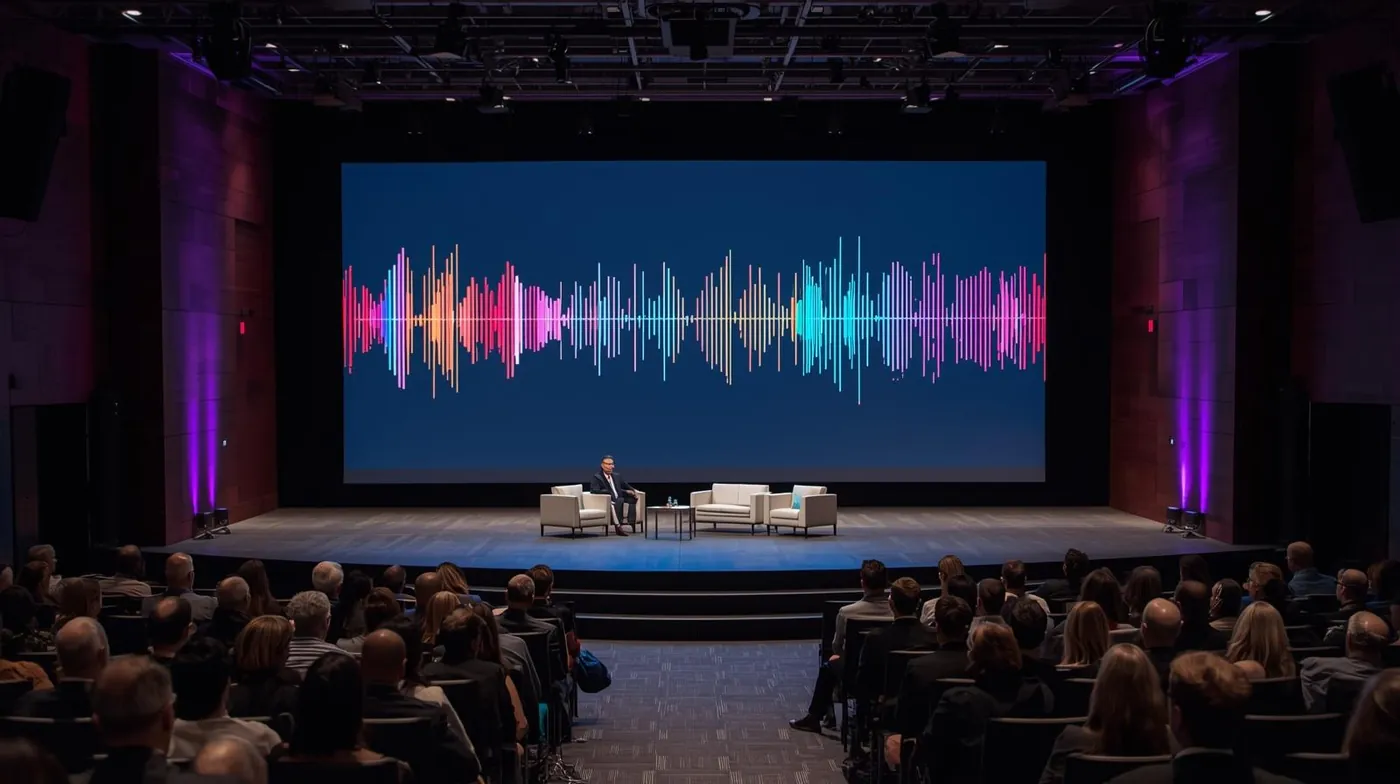
Speech-to-Text Technology: Revolutionizing Conference Documentation and Accessibility
Explore how speech-to-text technology transforms conferences through real-time transcription, automated note-taking, enhanced accessibility, and multilingual captioning for truly inclusive events.

Modern conferences generate valuable insights, expert opinions, and groundbreaking ideas through presentations, panel discussions, and networking sessions. However, capturing and preserving this information has traditionally been labor-intensive and error-prone. Speech-to-text (STT) technology has emerged as a game-changing solution, enabling real-time transcription, automated documentation, and unprecedented accessibility for conference attendees worldwide.
Understanding Speech-to-Text Technology
Speech-to-text technology, also known as automatic speech recognition (ASR), converts spoken language into written text using advanced machine learning algorithms and neural networks. Modern STT systems can accurately transcribe multiple speakers, handle various accents and dialects, and operate in real-time with minimal latency, making them perfect for dynamic conference environments.
Transformative Benefits for Conference Organizers and Attendees
1. Real-Time Live Captioning
STT technology provides instant live captions during presentations and sessions, benefiting attendees who are deaf or hard of hearing, non-native speakers, and those in noisy environments. Real-time captions ensure no one misses critical information regardless of audio quality or personal circumstances.
2. Automated Meeting Documentation
Gone are the days of frantic note-taking during sessions. STT automatically generates comprehensive transcripts of all presentations, panels, and discussions, allowing attendees to focus fully on engagement rather than documentation. These transcripts become valuable resources for post-conference review and reference.
3. Searchable Content Libraries
Transcribed conference content becomes fully searchable, enabling attendees to quickly locate specific topics, quotes, or discussions within hours of recorded material. This searchability dramatically increases the long-term value of conference content and facilitates knowledge sharing.
4. Multilingual Transcription Support
Advanced STT systems can transcribe multiple languages simultaneously, automatically detecting language switches during multilingual sessions. This capability is essential for international conferences where speakers may present in different languages or code-switch during discussions.
5. Enhanced Learning and Retention
Studies show that providing both audio and visual text significantly improves information retention. Live captions help attendees better understand complex topics, technical terminology, and unfamiliar accents, leading to more effective learning outcomes.
Practical Applications in Conference Settings
Keynote Presentations and Main Sessions
Display real-time captions on large screens alongside presenter slides, ensuring everyone in the audience can follow along regardless of seating position, audio quality, or hearing ability. Transcripts can be automatically published to conference apps immediately after sessions conclude.
Breakout Sessions and Workshops
Smaller interactive sessions benefit enormously from STT technology, as detailed transcriptions capture audience questions, expert responses, and collaborative discussions that might otherwise be lost. These records become valuable resources for participants who couldn't attend every session.
Panel Discussions and Q&A Sessions
STT systems with speaker diarization can identify and label different speakers in panel discussions, creating organized transcripts that clearly attribute statements to specific panelists. This feature is invaluable for post-event content creation and media coverage.
Virtual and Hybrid Events
For remote attendees joining via video conference platforms, live captions ensure equal access to content regardless of internet connection quality or device audio capabilities. Transcripts can be automatically translated and shared across time zones.
Implementation Best Practices
Invest in Quality Audio Infrastructure
STT accuracy depends heavily on audio quality. Use professional microphones, proper speaker placement, and acoustic treatment to minimize background noise. High-quality audio input dramatically improves transcription accuracy rates.
Provide Human Review for Critical Content
While modern STT systems achieve impressive accuracy, human review ensures technical terms, proper nouns, and industry-specific jargon are correctly transcribed. Consider having transcription editors available for high-stakes presentations or legal compliance requirements.
Create Custom Vocabulary Libraries
Train your STT system with conference-specific terminology, speaker names, company names, and technical vocabulary before the event. Custom vocabularies significantly improve accuracy for specialized content and reduce the need for post-processing corrections.
Integrate with Conference Technology Stack
Connect STT systems with your conference management platform, mobile apps, and content distribution channels. Seamless integration enables automatic transcript delivery, searchable content archives, and enhanced attendee experiences without manual intervention.
Privacy and Data Security Considerations
Conference transcripts may contain sensitive business information, proprietary research, or personal data. Implement robust data protection measures including encryption, access controls, and clear data retention policies. Inform speakers and attendees about transcription practices and provide opt-out mechanisms when appropriate.
The Future of Speech-to-Text in Conferences
Emerging developments in STT technology promise even more powerful capabilities for conference organizers. Real-time translation combined with transcription will enable truly borderless conferences where language barriers disappear entirely. Sentiment analysis and topic extraction will automatically generate session summaries and key takeaway reports.
Integration with artificial intelligence assistants will allow attendees to ask questions about conference content and receive instant answers sourced from transcribed sessions. Voice biometrics will enable personalized networking recommendations based on stated interests during sessions.
Conclusion
Speech-to-text technology has evolved from a nice-to-have accessibility feature into an essential conference infrastructure component. By providing real-time captions, automated documentation, searchable content libraries, and multilingual support, STT fundamentally transforms how attendees engage with conference content and how organizers deliver value.
Conferences that embrace STT technology demonstrate commitment to accessibility, innovation, and attendee experience. As the technology continues advancing, the gap between conferences with and without robust speech-to-text capabilities will only widen. The future of professional conferences is inclusive, documented, and searchable—and speech-to-text technology makes it all possible.