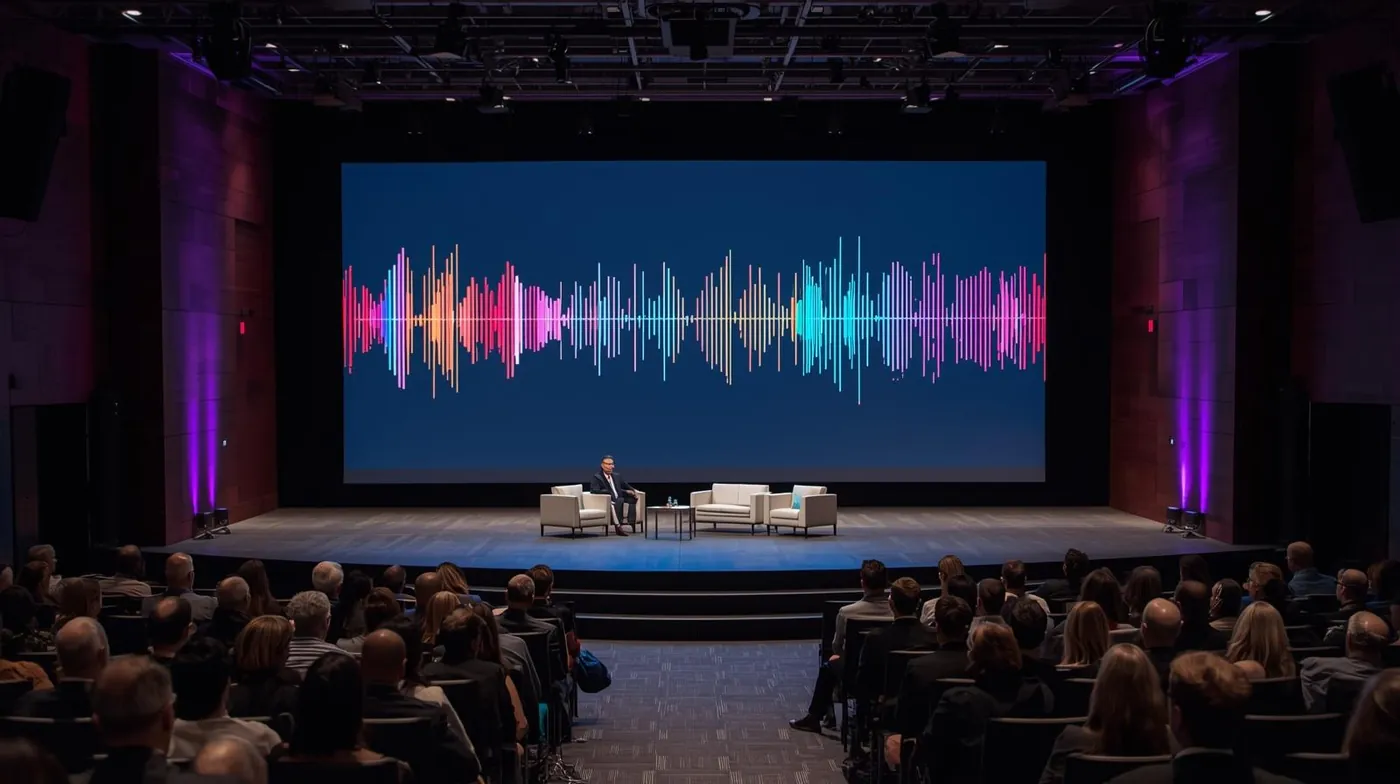
Transforming Conferences with Text-to-Speech Technology: Breaking Language Barriers
Discover how advanced text-to-speech technology is revolutionizing conferences by providing real-time multilingual audio support, enhancing accessibility, and creating inclusive global events.

In today's globalized world, conferences bring together professionals, researchers, and industry leaders from diverse linguistic backgrounds. However, language barriers often limit participation and engagement. Text-to-speech (TTS) technology has emerged as a transformative solution, enabling conference organizers to deliver content in multiple languages simultaneously while maintaining the authenticity and impact of live presentations.
What is Text-to-Speech Technology?
Text-to-speech technology converts written text into natural-sounding spoken audio using advanced artificial intelligence and neural networks. Modern TTS systems can replicate human speech patterns, emotions, and intonations across multiple languages and accents, making them ideal for international conference settings.
Key Benefits of TTS in Conference Settings
1. Real-Time Multilingual Support
TTS technology enables instant translation and audio delivery in dozens of languages. Attendees can select their preferred language and receive spoken translations through their devices or audio systems, eliminating the need for multiple interpreters and costly translation equipment.
2. Enhanced Accessibility
For attendees with visual impairments or reading difficulties, TTS provides equal access to conference materials, slides, and documents. This inclusive approach ensures that everyone can fully participate in sessions regardless of their abilities.
3. Cost-Effective Scalability
Traditional simultaneous interpretation requires professional interpreters, soundproof booths, and specialized equipment for each language pair. TTS technology dramatically reduces these costs while supporting an unlimited number of languages simultaneously.
4. Consistent Quality Across Sessions
Unlike human interpreters who may experience fatigue during long sessions, TTS systems maintain consistent quality, tone, and accuracy throughout multi-day conferences. This reliability ensures attendees receive the same high-quality experience regardless of session timing.
Practical Applications in Conference Environments
Automated Announcement Systems
Conference venues can use TTS to deliver announcements, schedule updates, and navigation instructions in multiple languages, helping international attendees navigate large conference centers with ease.
On-Demand Content Delivery
Recorded presentations and educational materials can be automatically converted to audio format in various languages, allowing attendees to review content at their own pace before or after live sessions.
Interactive Kiosks and Information Stations
TTS-powered information kiosks can provide spoken directions, session information, and exhibitor details in the attendee's preferred language, creating a more welcoming and accessible environment.
Implementing TTS Technology Successfully
Choose Natural-Sounding Voices
Modern neural TTS systems offer remarkably natural voices that capture regional accents and speaking patterns. Selecting appropriate voice profiles for your target audience enhances engagement and comprehension.
Integrate with Conference Platforms
Seamless integration with event management software, mobile apps, and virtual conference platforms ensures attendees can easily access TTS features without technical complications.
Provide Clear Audio Infrastructure
High-quality speakers, wireless audio systems, and personal listening devices ensure that TTS-generated speech is clearly audible even in large conference halls or noisy exhibition areas.
The Future of TTS in Conferences
As artificial intelligence continues advancing, TTS technology will become even more sophisticated. Future developments include emotion-aware speech synthesis, real-time voice cloning for speaker consistency, and adaptive systems that adjust to ambient noise levels and audience feedback.
Hybrid and virtual conferences will particularly benefit from TTS advancements, as remote attendees increasingly expect personalized, multilingual experiences that match in-person participation quality.
Conclusion
Text-to-speech technology represents a significant leap forward in making conferences more inclusive, accessible, and globally connected. By breaking down language barriers and providing consistent, high-quality audio experiences, TTS enables event organizers to create truly international gatherings where ideas flow freely across linguistic boundaries.
As the technology continues to mature, conferences that embrace TTS solutions will stand out as forward-thinking, attendee-focused events that prioritize accessibility and global participation. The future of conferences is multilingual, and text-to-speech technology is leading the way.